


Hybrid vs. Plug-In Hybrid: Which is Right for You?
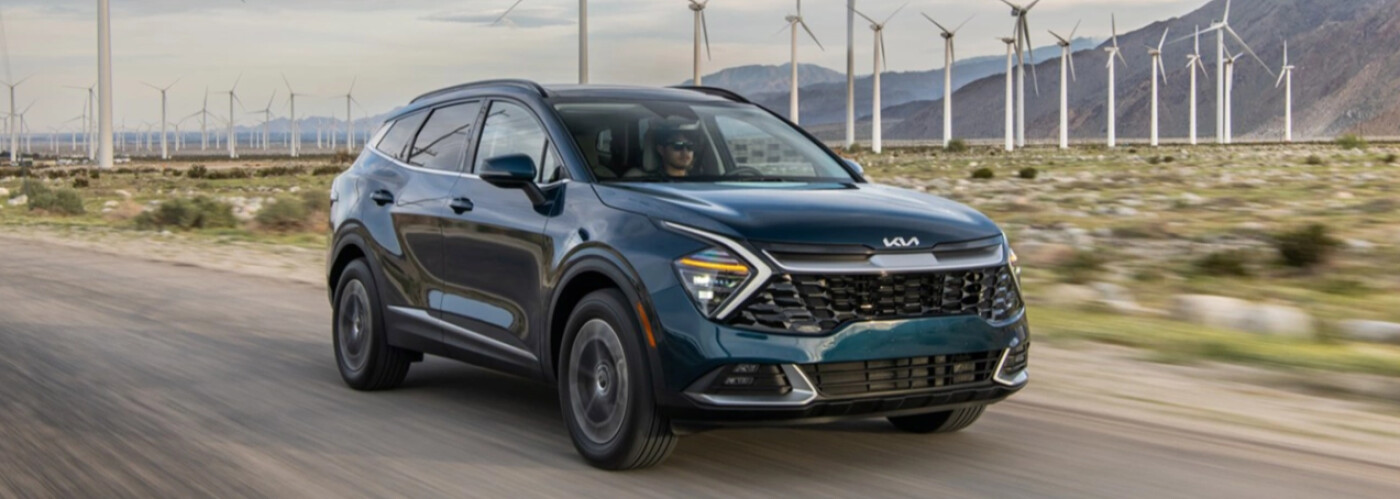
If you’re exploring the future of electrified driving in Bridgewater, you’ve likely encountered the two primary options: hybrids and plug-in hybrids. While both models seamlessly combine a gasoline engine with an electric motor for enhanced fuel efficiency, a key difference sets them apart. A traditional hybrid, like the Kia Sportage Hybrid, self-charges its smaller battery through regenerative braking and the gasoline engine, requiring no external charging. In contrast, a plug-in hybrid (PHEV), such as the Kia Sorento Plug-in Hybrid, features a larger battery that can be externally charged, enabling it to travel a significant distance on purely electric power before the gasoline engine ever needs to engage. This fundamental distinction means the choice between the two depends entirely on your daily driving habits and access to charging.
So, what’s the difference between a hybrid and a plug-in hybrid? Simply put, conventional hybrid vehicles use gas and electric power simultaneously and rely on their gas engines to keep their medium-sized batteries charged. A plug-in hybrid, as the name suggests, utilizes a larger battery that is charged through a 120-volt household outlet or a 240-volt charging unit. Plug-in hybrids start each drive with pure electric power and switch to gas when necessary. Learn more about the differences between hybrid and plug-in hybrid vehicles below!
Hybrid vs. Plug-in Hybrid: Benefits of Hybrid Models
The way a hybrid vehicle works feels familiar and is quite intuitive. As you travel through Plainfield, your vehicle will be simultaneously powered by a gas engine and an electric motor. This drastically improves fuel economy and allows your gas engine to recharge your battery as you drive.
The way traditional hybrid vehicles propel themselves offers the benefit of improved mpg, without the need to stop and recharge. This can be a major advantage in the eyes of some drivers since this type of model allows you to drive more efficiently without any major disruption to your existing automotive habits.
Hybrid vs. Plug-in Hybrid: Benefits of Plug-In Hybrid Models
Plug-in hybrid vehicles also work with a gasoline engine and an electric motor, but the way the energy is deployed differs from conventional hybrid models. A plug-in hybrid vehicle will primarily run on its battery-powered electric motor during your Manville travels. Once the battery is drained, the gas engine will take over.
Rather than the two power sources working in conjunction, plug-in hybrid vehicles treat the gasoline engine as a backup plan. The distance traveled while operating solely on the battery is known as the vehicle’s electric range. However, once that limit is reached, you’ll need to plug your car in to regain battery power.
With that said, there is a range of advantages that come with opting for a plug-in hybrid vehicle. If you have a truly environmentally friendly aim, a plug-in hybrid vehicle may be your best bet. Since you can pre-charge your vehicle, many plug-in hybrid cars offer the range you need to run errands around town on pure battery power!
Find Your Efficient New Ride With Bridgewater Kia
Now that you understand the differences between hybrid and plug-in hybrid Kia models, the next step is finding the right fit for your Middlesex lifestyle. At Bridgewater Kia, we make the upgrade process simple and rewarding. You can start by using our online trade-in tool to value your current vehicle, then explore our wide selection of Kia hybrid and plug-in hybrid models. If you’re considering an EV in the future, don’t forget to check out our dedicated guide on how to prep your home for an EV.
When you’re ready, schedule your test drive with our team and let us help you secure the Kia you’ve been waiting for—backed by competitive financing and expert customer care.
0 comment(s) so far on Hybrid vs. Plug-In Hybrid: Which is Right for You?